Style Guide
How to Wash Graphic Tees Without Cracking the Print
The print is the point. Wash it like an afterthought and the shirt starts looking tired before the outfit does.

Graphic tees do not usually die in one dramatic laundry disaster. They fade by committee. One hot wash. One overloaded machine. One blast of dryer heat. One lazy iron pass over the print because the shirt looked wrinkled and everyone was running late. Eventually the artwork that made the tee worth buying starts cracking, warping, or looking like it has emotionally resigned.
The good news is that washing graphic tees is not complicated. You do not need a special shrine, a moon phase, or a detergent that costs more than the shirt. You need to reduce three enemies: heat, friction, and harsh treatment. The care label still gets the final vote, but most printed tees last longer when they are washed inside out, kept away from high heat, and dried with a little patience.
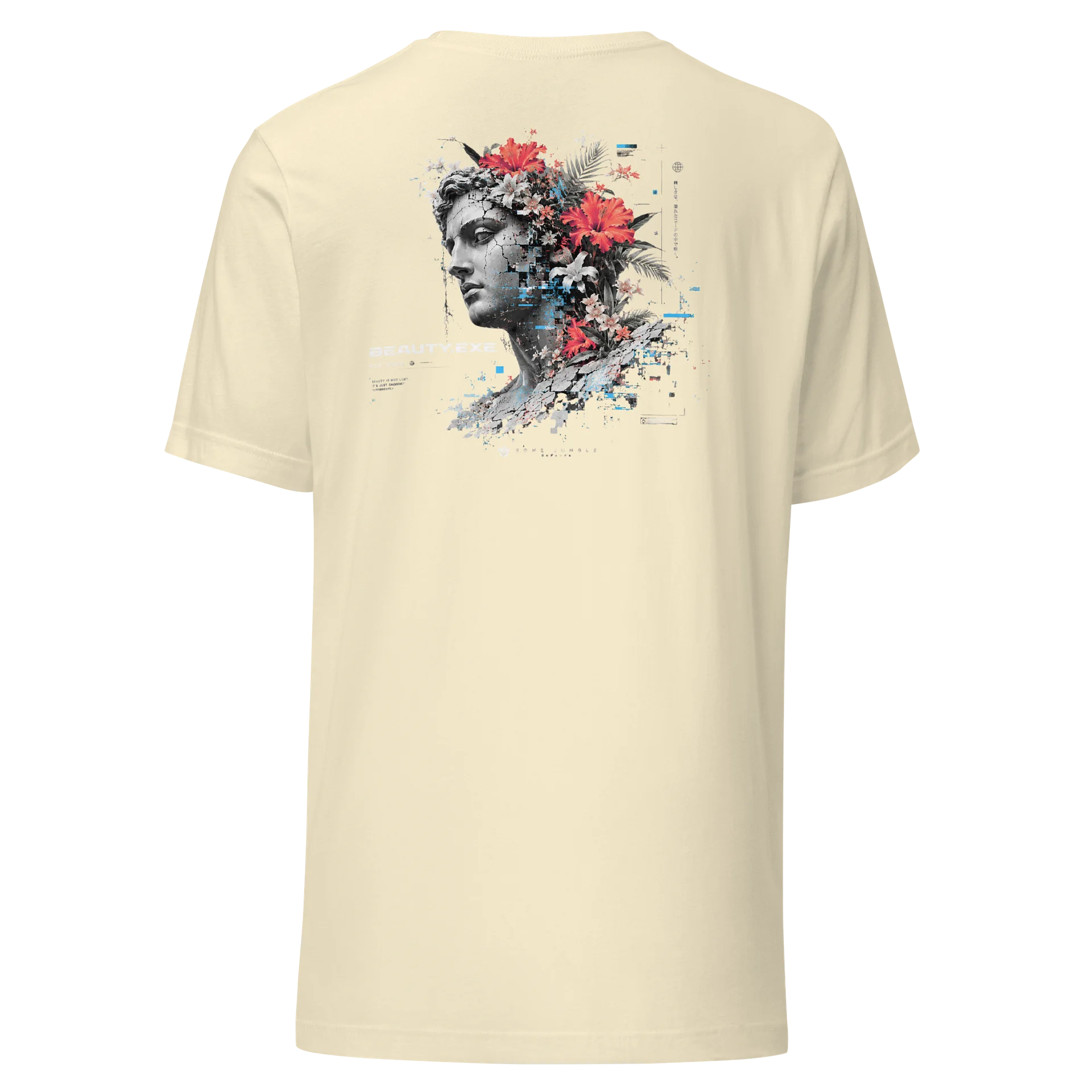
This guide is built for shirts with artwork worth protecting: surreal prints, skull graphics, text-heavy designs, bright color, crop tops, oversized tees, and those slightly unhinged pieces that get noticed for the right reasons. If you want the graphic to stay crisp after more than two wears, start here.
Start with the care label, then get practical
The care label is not decorative nonsense. In the United States, the FTC's care labeling guidance explains that covered clothing must include instructions for regular care. That does not mean the label knows your laundry habits, your washer, or the ancient towel you insist on washing with everything. It means the label is the safest starting point before you make the process gentler.
Read the wash temperature, drying instructions, bleach instructions, and ironing warnings before you assume every tee can survive the same routine. If the label says cold wash, do that. If it says tumble dry low, do not decide "high for a shorter time" is basically the same. It is not. Heat is not a productivity hack for printed cotton.
The care symbols matter too. Consumer guidance from Canada notes that the five basic symbol groups cover washing, bleaching, drying, ironing, and professional cleaning. That symbol system is useful even when a label is cramped, faded, or written in fewer words than you would like. The first rule is simple: if the label gives a limit, treat it as a limit, not a dare.

The best everyday wash routine for graphic tees
For most graphic tees, the safest everyday routine is boring in the best possible way: turn the shirt inside out, wash with similar colors, use cold water when allowed, choose a gentle or normal cycle, and avoid stuffing the machine so full that everything grinds together. The shirt still gets clean. The print just takes less punishment along the way.
Turning the tee inside out is the easiest win. It keeps the printed face from rubbing directly against denim, buttons, zippers, towels, and the washer drum. It also exposes the inside of the shirt, where sweat, deodorant, and body oils usually collect. That is useful because the inside needs cleaning, while the outside mostly needs protection.
Sorting matters more than people want to admit. Dark tees should not tumble around with pale towels. Lightweight crop tops should not fight a load of heavy jeans. Printed shirts should not be trapped in a laundry pile with open zippers or rough hardware. If the tee has a strong graphic, treat the surface like something that can be scratched, because it can.
Use a reasonable amount of detergent. More soap does not mean more care. Too much detergent can leave residue, make fabric feel stiff, and keep the rinse cycle from doing its job. If the tee is lightly worn, it does not need a detergent flood. It needs enough cleaning power to remove soil without turning the wash into a chemical soup.
Cold water is usually the friendlier choice
Cold water is not magic, but it is often kinder to printed shirts. It reduces the heat stress that can affect fabric, color, and print texture. It is especially useful for dark tees, bright graphics, and designs where the print surface is the main event. If the care label allows cold washing, that is usually the right default for regular wear.
Hot water has a place: some laundry needs it because of heavy soil, odor, or hygiene concerns. A normal graphic tee worn for the day usually does not. When you use heat without a good reason, you spend print life for very little gain. That trade is not worth it for a shirt you bought because the artwork made you stop scrolling.
Cold water also pairs well with slower decisions. Pretreat obvious stains before washing. Do not use the wash cycle as a punishment chamber because one spot needs attention. If sauce, makeup, oil, or deodorant hits the shirt, treat the stain directly and gently before the tee goes into the machine. Scrubbing hard over the print is how a small stain becomes a permanent texture experiment.
Drying is where many graphic tees get wrecked
Washing gets blamed for everything, but drying often does the real damage. High dryer heat can be hard on fabric and harder on printed surfaces. The shirt shrinks, the print flexes, and the artwork starts looking older than it is. If you want a graphic tee to last, do not treat the dryer like a finishing oven.
Air drying is the gentlest option. Lay the tee flat on a clean towel or drying rack, reshape it while damp, and keep the print out of harsh direct sunlight if fading is a concern. Hanging can work, but heavy wet cotton can stretch at the shoulders, especially on thin hangers. Flat drying is slower, yes. So is not ruining the shirt.
If you use a dryer, use low heat and remove the shirt before it is cooked stiff. The goal is dry, not mummified. Keep graphic tees away from heavy towels and rough items that create extra friction. A shorter low-heat tumble followed by air drying is often better than a long high-heat cycle that makes the print feel brittle.

How to stop cracking before it starts
Print cracking usually comes from repeated stress. Some prints naturally age over time, especially if they are thick, stretched often, or exposed to heat. But the speed of that aging depends heavily on care. The print cracks faster when the shirt is washed hot, dried hot, stretched while damp, ironed directly, or folded in a way that keeps the same sharp crease across the artwork every time.
Start by reducing stretch. Do not yank a damp tee over a chair, hanger, or door handle. Do not pull the printed panel while reshaping the shirt. If the fit feels too tight across the chest, the print will flex every time you wear it. That is not a laundering problem; that is a size problem wearing a laundry disguise. Check the fit and returns information before ordering if you are between sizes.
Fold graphic tees with the artwork supported, not sharply bent through the same area every time. For thicker prints, fold around the graphic when you can. If you hang tees, use a broad hanger and make sure the garment is fully dry first. Wet cotton plus gravity can stretch the shirt and distort how the graphic sits on the body.
Never iron directly over the print unless the care label specifically allows it. If a tee needs smoothing, turn it inside out, use low heat, and avoid pressing the artwork. Steam can help with wrinkles around the print, but do not park a hot iron on the design. That is not care. That is a crime scene with a cord.
What to do after a stain, spill, or deodorant mark
Stains are where people get aggressive. A graphic tee gets a spot, and suddenly everyone becomes a medieval laundry surgeon. Slow down. The print is vulnerable to hard scrubbing, harsh chemicals, and bleach experiments. Treat the fabric, protect the artwork, and test anything strong on a less visible area when the care label does not give clear permission.
For food or drink, blot first. Do not rub the stain outward like you are trying to make modern art. Use a small amount of mild detergent or appropriate stain treatment on the fabric side, keeping the printed area as calm as possible. Let the treatment sit according to its instructions, then wash normally. Check the stain before drying; dryer heat can help set what the washer did not remove.
Deodorant marks are usually better handled before washing. Turn the tee inside out and work gently from the fabric side. Avoid grinding the printed surface against itself. If the mark sits near the design, use patience instead of force. A slightly slower stain routine is cheaper than replacing a shirt because the print got scuffed during rescue.
Bleach, fabric softener, and other bad ideas
Bleach is not a personality test. If the care label says no bleach, believe it. Chlorine bleach can damage color, weaken fibers, and attack print texture. Even non-chlorine bleach should be used only when the label allows it and the shirt actually needs it. The little triangle symbol on the care label is not there for ambiance.
Fabric softener can also be a poor match for graphic tees. It may leave coatings that affect feel and absorbency, and it does not solve the real problems graphic tees face: friction, heat, and rough handling. If a tee feels stiff after washing, the issue may be too much detergent, not a lack of softener.
The same goes for heavy fragrance boosters, aggressive stain products, and mystery laundry hacks. A printed shirt does not need twelve potions. It needs a clean wash, a gentle dry, and fewer experiments from someone who saw a thirty-second video and decided chemistry was now a hobby.

How often should you wash a graphic tee?
Wash it when it is actually dirty, sweaty, stained, or stretched out from wear. Do not wash it just because it touched air for two hours. Every wash creates some friction, and every dry cycle adds wear. That does not mean you should become disgusting in the name of garment preservation. It means a quick wear over a clean base layer may not need the same treatment as a full summer day.
Airing a tee between light wears can help, especially if it was worn briefly and is not carrying odor. Hang it somewhere with airflow, let the fabric relax, and check it honestly. If it smells clean and looks clean, it may not need the machine yet. If it smells like effort, wash it. This is not a philosophical puzzle.
Rotating shirts also helps. If one favorite tee gets worn and washed constantly, it will age faster than the rest. Building a small rotation of strong graphics gives each shirt recovery time and gives your outfits more range. Bone Jungle's graphic tees, skull shirts, and cosmic shirts make more sense when they are worn like a rotation, not one poor shirt doing all the emotional labor.
A care routine for crop tops and oversized tees
Crop tops and oversized tees follow the same basic rules, but the fit changes the weak points. Crop tops need their shape preserved, especially around the hem and neckline. Wash them inside out, avoid stretching them while wet, and lay them flat or hang carefully once they are mostly dry. Because the hem is part of the look, warping it changes the whole outfit.
Oversized tees have more fabric and more room to twist in the wash. That means they benefit from space in the machine. Do not pack them into a load so dense that the tee comes out tied around a towel like it lost a wrestling match. Shake the shirt out before drying, square up the seams, and let the fabric fall back into its intended shape.
If you are buying a tee because of the way the artwork sits on the body, fit and care belong together. The graphic tee styling guide covers proportion, outfit formulas, and shape decisions. Care keeps those choices possible after the shirt has been through real life a few times.
Where Bone Jungle pieces fit
Bone Jungle pieces are built around the graphic doing the talking, so care is not a side quest. It is how the shirt keeps its reason for existing. A skull tee with cracked artwork can still look good if the wear feels earned, but accidental laundry damage is less charming. Same with a bright cosmic print or a surreal crop top: the design needs enough color, contrast, and shape left to carry the outfit.
If you are choosing your first piece, start with the artwork you would still want after the trend moves on. The graphic tee trends guide explains why weird, retro, and personal shirts are getting more attention, but the useful test is simpler: would you still reach for it after ten washes? If yes, it is worth treating properly from the first one.

The quick graphic tee care checklist
- Read the care label before the first wash.
- Turn the tee inside out to reduce rubbing on the print.
- Wash with similar colors and similar fabric weights.
- Use cold water when the label allows it.
- Avoid overloading the machine.
- Skip chlorine bleach unless the label clearly allows it.
- Air dry when possible, or use low dryer heat.
- Do not iron directly over the graphic.
- Fold or store the shirt without sharply creasing the print every time.
The whole routine comes down to respect for the artwork. Graphic tees are supposed to be worn, washed, and lived in. They are not museum pieces. But if the print is why you bought the shirt, give it a laundry routine that does not immediately pick a fight with it.
Find the tee that starts the outfit
Browse Bone Jungle's strange graphic apparel by mood, shape, and print energy.
Shop the unusualFrequently asked questions
What is the safest way to wash a graphic tee?
Check the care label first, then turn the tee inside out, wash it with similar colors, use cold water when the label allows it, and choose a gentle or normal cycle that is not overly rough. The goal is to reduce heat and friction on the printed surface.
Should graphic tees be washed inside out?
Yes. Turning a graphic tee inside out helps protect the print from rubbing directly against other garments, the washer drum, zippers, and buttons. It also lets the inside of the shirt get cleaned where sweat and body oils usually sit.
Can graphic tees go in the dryer?
Sometimes, but high heat is rough on prints and fabric. If the care label allows machine drying, use low heat and remove the tee while it is still slightly relaxed rather than baking it dry. Air drying is usually the gentler choice.
How do I stop graphic tees from cracking?
You cannot make any print immortal, but you can slow cracking by washing inside out, avoiding hot water, skipping high dryer heat, using mild detergent, and not ironing directly over the artwork. Folding the tee instead of stretching it on a hanger also helps the print sit flat.
Should I use bleach on a graphic tee?
Only use bleach if the care label says it is safe. Many printed shirts should avoid chlorine bleach because it can damage color, fabric, and print texture. If a stain needs treatment, use a gentler spot approach first and keep harsh products away from the artwork.
Related posts
 How to Style Graphic Tees Without Looking RandomA practical guide to making loud, strange, surreal, and gothic graphic tees feel intentional with jeans, layers, trousers, skirts, boots, and everyday care.
 Graphic Tee Trends 2026: Why Weird Shirts Are BackA look at why graphic tees, retro prints, slogan shirts, surreal artwork, and personal style are pushing plain basics out of the spotlight.